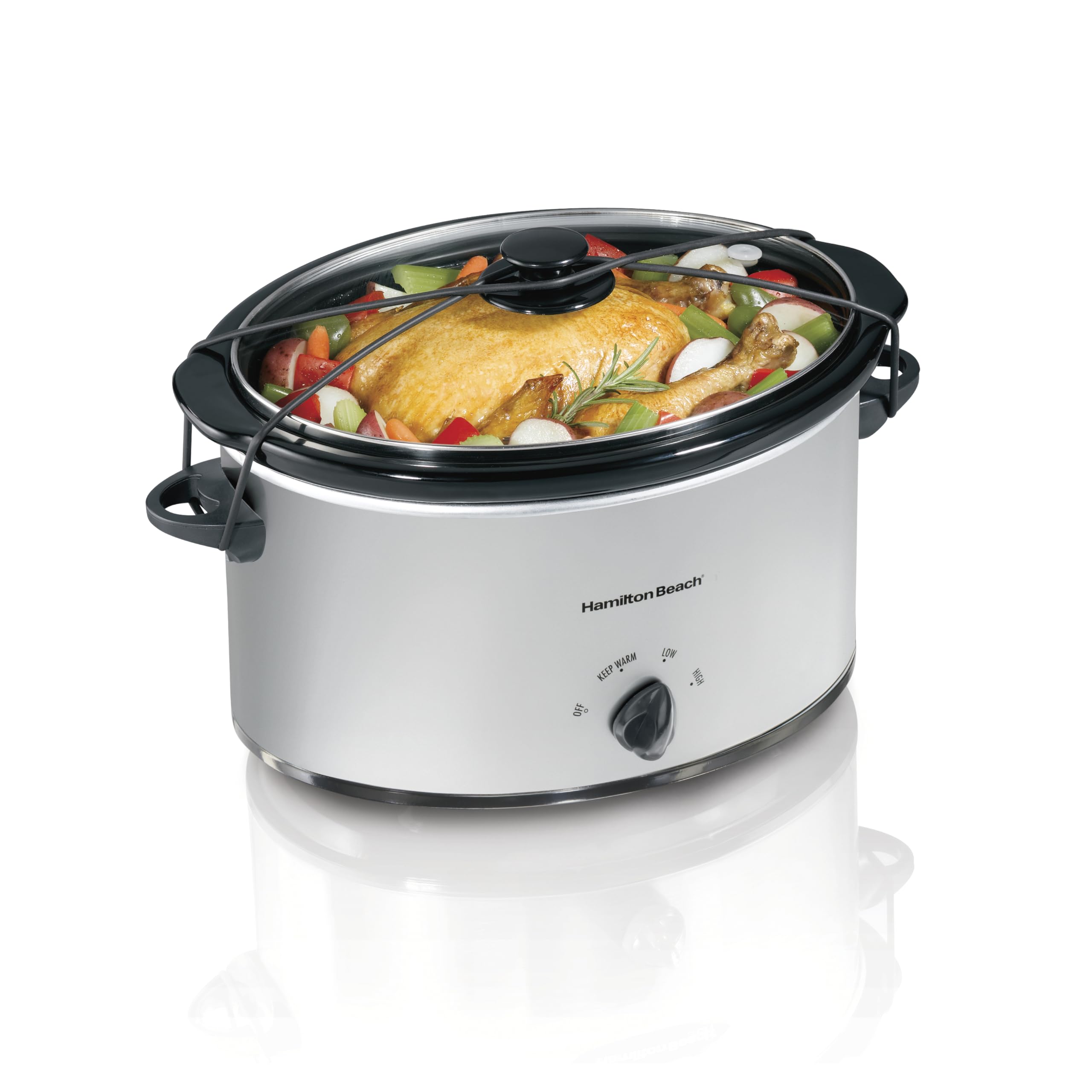
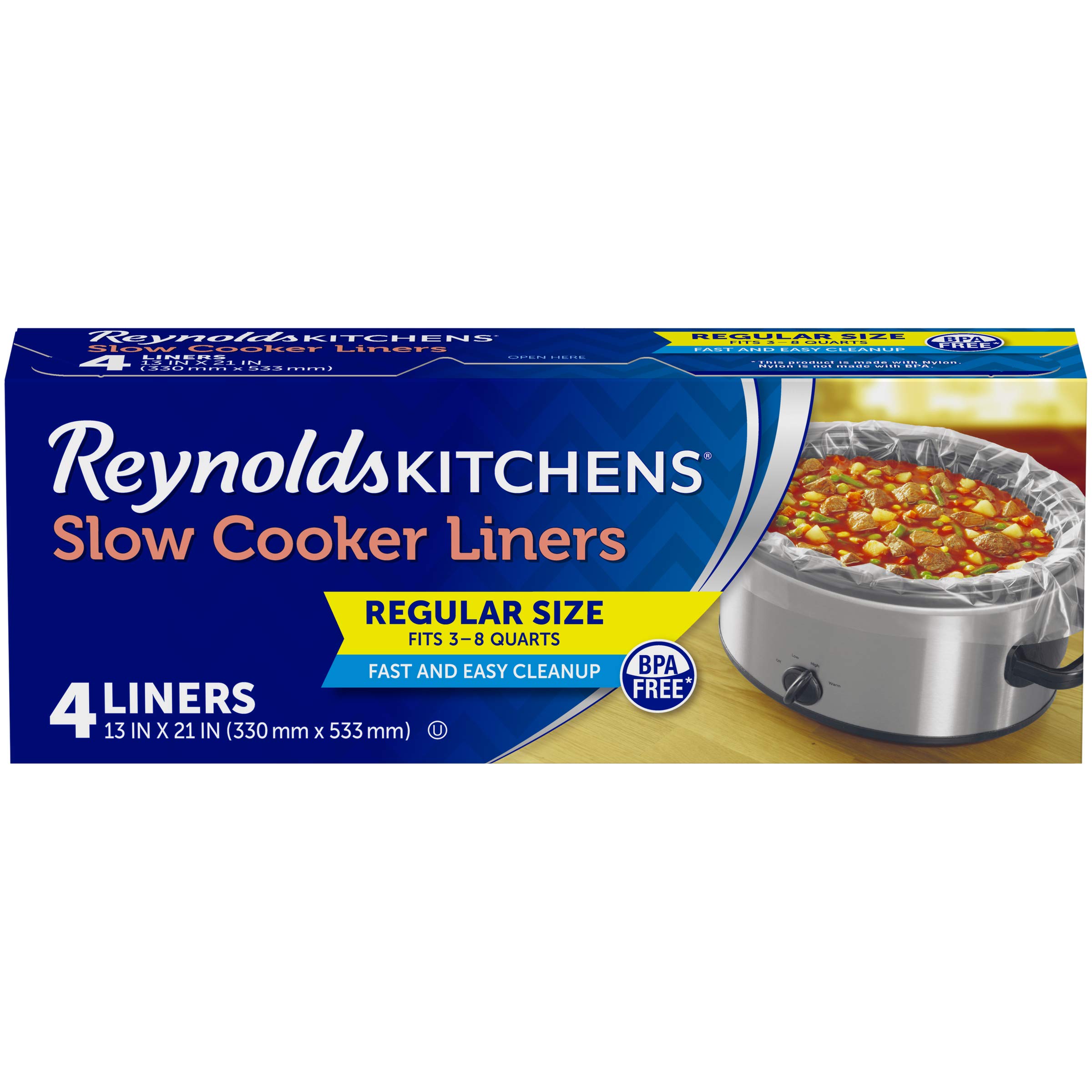
Buying slow cookers can be confusing; this guide explores the role of liners like Reynolds Kitchens in the Slow Cookers category.
Why choosing Slow Cookers is difficult#
Selecting a slow cooker involves considering multiple factors such as size, material, and accessories. Accessories like liners can influence performance and convenience. However, the impact of these additions on overall function varies depending on usage patterns and personal preferences.
Some users may not fully understand how accessories affect cooking outcomes or maintenance requirements. For example, while a liner might simplify cleanup, it could also limit heat distribution in certain models. This complexity can make choosing between different slow cooker options challenging for first-time buyers or those unfamiliar with the category.
Common buyer mistakes#
A common mistake is assuming that all liners are interchangeable across brands and sizes. Not every liner fits every model of slow cooker, which may lead to improper use or even damage to the appliance. Another frequent oversight involves neglecting to check compatibility before purchasing a liner set.
Some buyers also overlook the fact that using liners might change how food cooks compared to cooking directly in the ceramic pot. This can result in unexpected textures or flavors if not accounted for during recipe planning.
Real-world use and expectations#
In real-life scenarios, slow cooker liners are often used for their convenience rather than performance benefits alone. They allow users to place raw meat or vegetables directly into the liner without worrying about sticking or cleaning residue from the pot itself.
However, it’s important to note that these liners may not provide any significant improvement in cooking time or temperature control compared to using the slow cooker’s original pot. Their primary function is more related to ease of use and cleanup than enhancing the cooking process itself.
Where this product fits (strengths and weaknesses)#
Reynolds Kitchens Slow Cooker Liners are well-suited for users who prioritize easy cleanup over other features like even heat distribution or durability. The pack includes multiple liners, which can be useful for frequent cooks or those hosting regular meals.
On the downside, these liners may not offer any substantial advantages in terms of cooking performance compared to using the original pot. Additionally, they are only compatible with specific slow cooker sizes (3-8 quarts), limiting their usefulness across different models and user needs.
Who should avoid this product#
Individuals who rely heavily on precise temperature control or even heat distribution may find these liners less beneficial. They might also be unnecessary for users who already have a set of durable, non-stick cookware that can be used in the slow cooker without additional layers.
Furthermore, those looking for long-term value should consider whether frequent replacement of liners is worth it compared to investing in higher-quality pots or using alternative methods like stainless steel inserts.
How it compares with alternative styles#
When comparing Reynolds Kitchens Slow Cooker Liners with other liner types, such as silicone or reusable options, the main differences often lie in material and reusability. Silicone liners may offer more flexibility but might be less common in standard slow cooker sizes compared to plastic alternatives.
Reusable liners can provide cost savings over time but require proper cleaning and maintenance. In contrast, disposable liners like Reynolds Kitchens are convenient for single-use scenarios but may not be as eco-friendly or economical for frequent use.
| Feature | Reynolds Liners | Silicone Liners | Reusable Liners |
|---|---|---|---|
| Material | Plastic | Silicone | Various (often silicone) |
| Reusability | No | Yes | Yes |
| Compatibility | Limited to 3-8 quarts | Varies widely | Often universal |
Care and long-term ownership#
Proper care of slow cooker liners is essential for maintaining their effectiveness. Most disposable liners are designed for one-time use only, so they should be discarded after each cooking session rather than reused.
For reusable options, following the manufacturer’s cleaning instructions carefully can extend their lifespan significantly. However, even with proper care, all liners will eventually degrade and need replacement. This ongoing maintenance cost is something to consider when evaluating long-term value.
Frequently asked questions#
Are Reynolds Kitchens Slow Cooker Liners safe for use in the microwave?#
Reynolds Kitchens products are generally designed for specific uses as indicated on packaging or by manufacturer guidelines. Unless explicitly stated otherwise, it’s advisable not to assume microwave safety without confirmation from the product label.
Can I use these liners with any brand of slow cooker?#
These liners are specifically sized for 3-8 quart models but may not fit all brands due to variations in design and dimensions across different manufacturers. Always check compatibility before purchasing.
Do these liners affect cooking time or temperature inside the slow cooker?#
Liners typically do not alter core cooking functions such as heat distribution or temperature regulation within the appliance itself. Their primary role is more about convenience rather than affecting actual cooking performance.
How often should I replace my slow cooker liners if I use them regularly?#
Since these are disposable items, they should be replaced after each use unless specified otherwise by the manufacturer. Regular replacement ensures hygiene and optimal function during subsequent cooking sessions.
Final thoughts#
Reynolds Kitchens Slow Cooker Liners serve a specific purpose in simplifying cleanup processes for users who value convenience above all else. However, their utility is limited to certain applications where ease of use outweighs other considerations like durability or performance enhancements from alternative materials or methods.